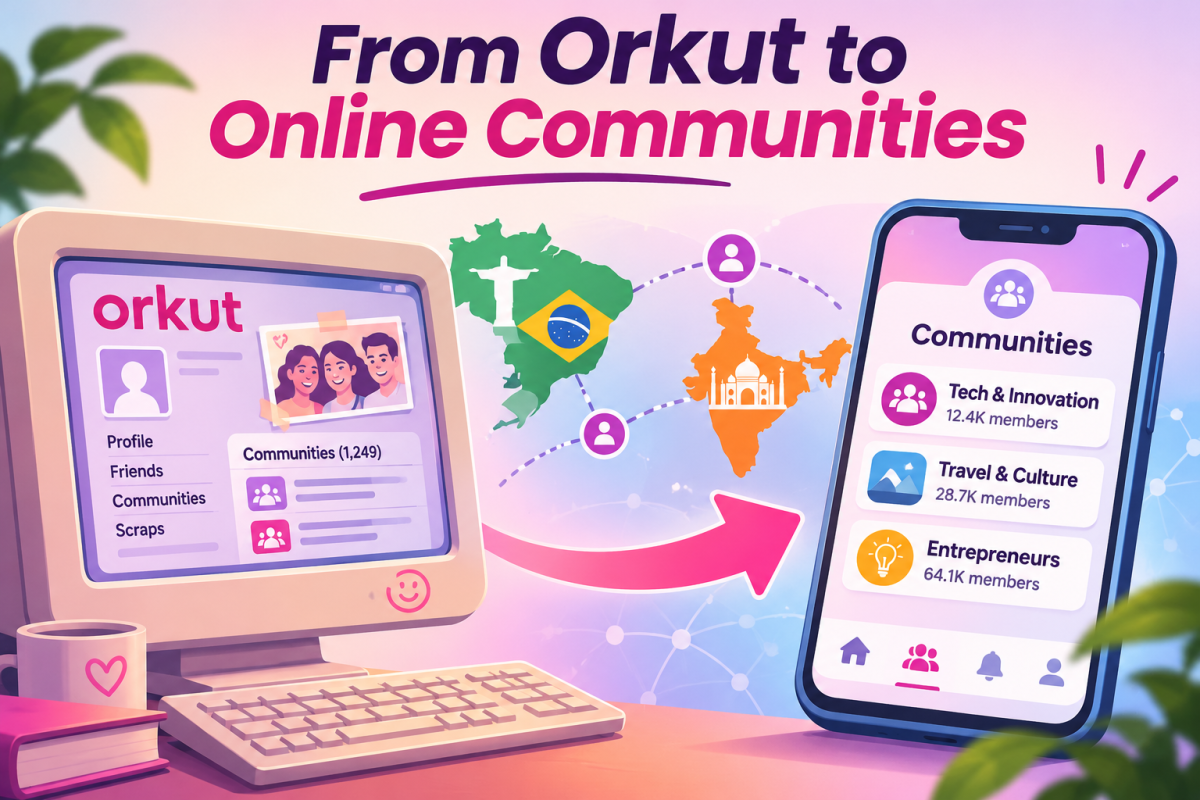
What the rise and fall of Orkut teaches us about engagement, brand loyalty, and the future of digital marketing.
Have you ever wondered how a social media platform can become incredibly popular and then practically disappear? We use platforms like Facebook, Instagram, TikTok, and LinkedIn almost every day, but staying relevant in the constantly changing world of social media is not easy.
One interesting example is Orkut, a social networking platform that once connected millions of people, particularly in Brazil and India. Although Orkut eventually disappeared, its story offers valuable lessons about community engagement, customer relationships, and the importance of adapting to change.
What Made Orkut So Popular?
Launched by Google in 2004, Orkut allowed users to create profiles, connect with friends, share messages, and join communities based on common interests. Unlike platforms that focus heavily on advertising and content consumption, Orkut encouraged people to interact and develop meaningful connections.
One fascinating part of Orkut’s success was its popularity in Brazil. The platform became a major part of the country’s online culture, demonstrating how social media can grow when users feel connected to a community.
According to this history of Orkut, Brazilian users helped transform the platform into one of the country’s most recognizable social networking services.
From a marketing perspective, I believe Orkut understood something that remains important today: People want to feel connected, valued, and included.
When consumers feel that they belong to a community, they are more likely to participate in conversations, share experiences, and develop stronger relationships.
Why Did Orkut Lose Its Popularity?
Despite its early success, Orkut struggled to remain competitive as other social media platforms evolved.
Facebook introduced features and experiences that attracted users worldwide. As consumer preferences shifted toward more convenient and engaging social networking experiences, Orkut gradually lost its competitive advantage.
In 2014, Google officially discontinued the platform.
To me, Orkut’s decline demonstrates that having millions of users does not guarantee long-term success. Businesses must continuously understand their audiences and respond to changing expectations.
For example, imagine a brand that creates engaging Facebook content but ignores its customers’ growing interest in short-form videos. Over time, that brand could lose engagement to competitors using Instagram Reels or TikTok more effectively.
The lesson is simple: Social media success requires continuous innovation, not just initial popularity.
What Can Today’s Marketers Learn From Orkut?
As I continue learning about social media marketing, I see three important lessons from Orkut’s experience:
- Build relationships, not just followers. Brands should encourage meaningful conversations and create spaces where customers can connect with one another.
- Understand your audience. Orkut’s popularity in Brazil highlights the importance of cultural preferences and audience-specific marketing strategies.
- Stay flexible and innovative. Social media platforms and consumer expectations change constantly. Businesses must monitor engagement and adjust their strategies.
These lessons connect with what we have learned about community management, customer engagement, and monitoring social media performance.
For instance, brands can use HubSpot’s community management strategies to encourage discussions, respond to customer feedback, and build relationships that extend beyond individual purchases.
I also believe businesses should evaluate success using more than likes and follower counts. Metrics such as meaningful comments, community participation, customer retention, and repeat engagement provide a clearer picture of relationship quality.
Could Orkut Make a Comeback?
Interestingly, Orkut’s story may not be completely finished.
In October 2026, TechCrunch reported that Orkut’s founder was seeking public support for a potential return centered on authentic friendships and online communities. However, a relaunch has not been confirmed.
This development is especially interesting because it suggests that meaningful connections remain valuable even as social media technology advances.
Final Thoughts: Community Is Everything
Orkut’s journey reminds me that social media marketing is not simply about promoting products or attracting attention. It is about creating experiences that encourage people to connect, participate, and remain loyal.
If I were managing a brand’s social media strategy today, I would focus on building an engaged community, listening to customers, monitoring performance, and adapting content to their changing interests.
Orkut may have disappeared, but its greatest lesson remains relevant: Successful social media marketing starts with people, not platforms.
Let’s Talk!
Have you ever used Orkut, or do you remember another social media platform that was once popular but eventually disappeared?
What do you think matters more for a brand’s success: having thousands of followers or building a smaller, highly engaged community?
Share your thoughts in the comments!
#SocialMediaMarketing #Orkut #DigitalMarketing #CommunityEngagement #BrandLoyalty #SNHUSMM


Leave a Reply